Launch Projects

Three territories, one shared horizon.

The Rising Earth Fund begins its work in three places — chosen in council with The Earth Elders — each a living example of what Indigenous-led ecosystem regeneration can be.

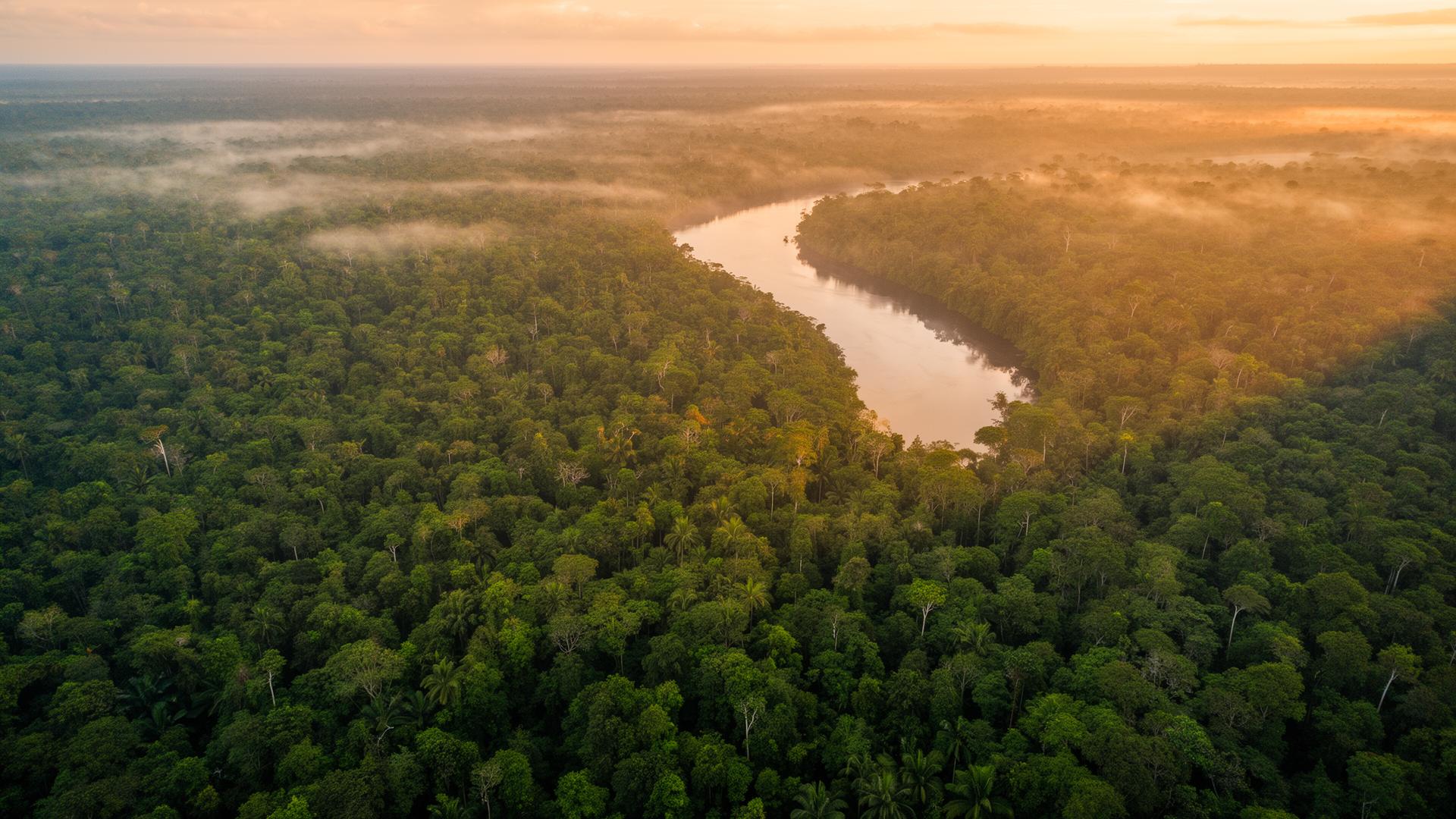
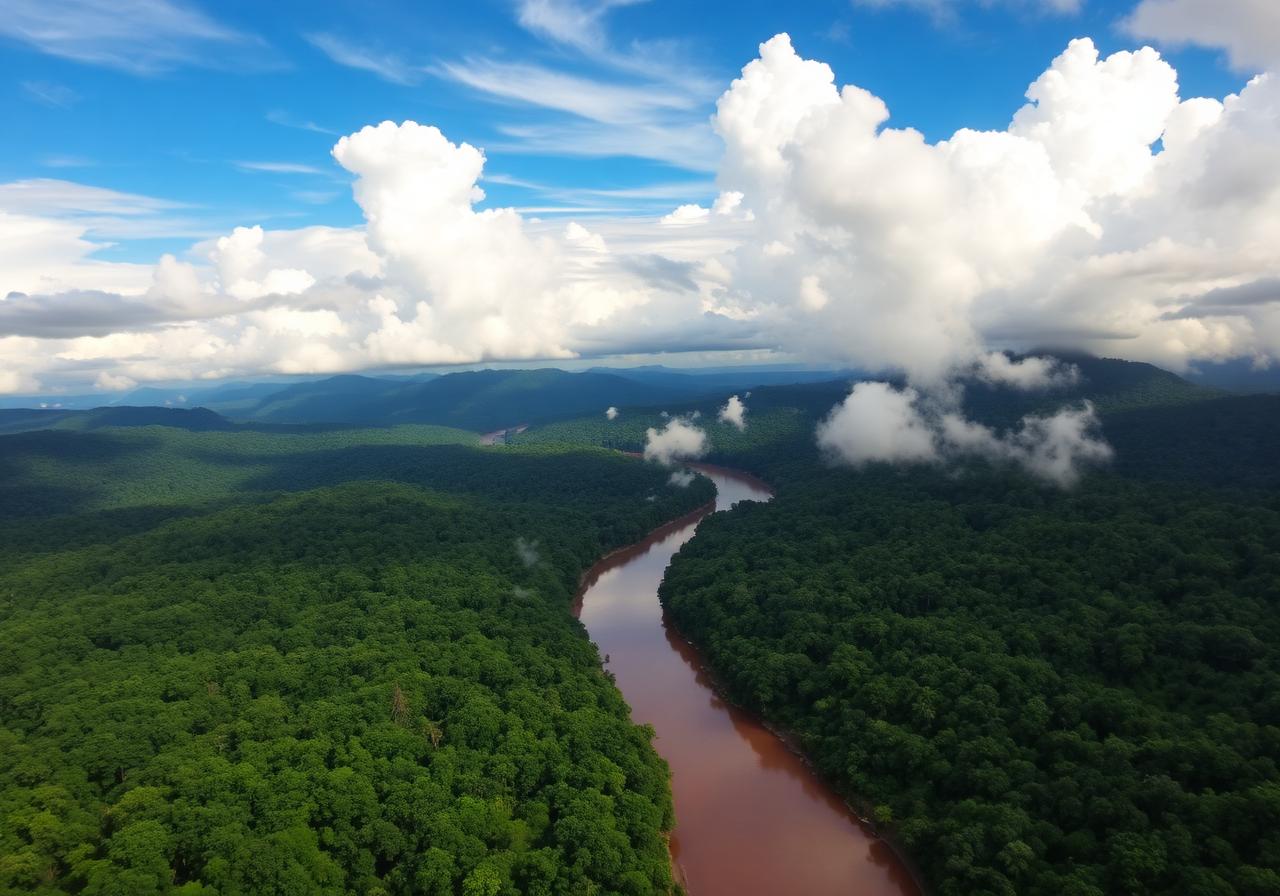
Huni Kuin Regeneration Corridor

Acre, Brazilian Amazon

Huni Kuin Regeneration Corridor

A continuous, Huni Kuin-led protected corridor through the headwaters of the Jordão and Tarauacá rivers — safeguarding old-growth Amazon, regenerating degraded margins, and securing the territories where forest, language, and ceremony remain unbroken.

Active — site assessment 2026

Otomi-Toltec Wetlands Restoration

Valley of Mexico

Otomi-Toltec Wetlands Restoration

Restoration and expansion of the ancestral Otomi-Toltec wetlands — once vast, now fragments — returning water, native species, and ceremonial access to a landscape that has fed central Mexico for millennia.

Active — site assessment 2026
A Leading African Bio-Cultural Territory

Africa — territory to be announced

A Leading African Bio-Cultural Territory

In council with African Indigenous knowledge keepers, the Rising Earth Fund is currently discerning the location and form of its first African project — a bio-cultural territory whose elders, communities, and lands are ready to engage with our shared mission.

In discernment with the Council

Partnership

Planetary Solvency × The Rising Earth Fund.

Turning the world's largest pool of long-term capital into a force for planetary stabilisation.

The Risk Rationale

Planetary Solvency

A scientifically validated, actuarial assessment showing why Earth-system degradation is a first-order, non-diversifiable threat to long-term portfolio returns.

The Investable Vehicle

The Rising Earth Fund

A global fund expanding a web of protected areas across 52 bio-cultural territories, regenerated and stewarded by Indigenous Peoples.

The Financial Structure

In Development

Blending the risk-mitigation case with instruments that meet institutional requirements for return, risk, liquidity, governance and scale.

Why this is different.

  • Nature restoration is positioned as a direct systemic risk mitigant — not an ESG overlay or philanthropic trade-off.
  • The case is built the way actuaries build capital adequacy arguments: identify the risk, quantify the exposure, size the mitigation, price the intervention.
  • This puts Nature in the same allocation conversation as sovereign bonds and infrastructure.

What this unlocks.

Nature finance competes for impact capital only

Nature finance competes for mainstream institutional allocation

Pension schemes see Nature as ESG-driven

Pension schemes see Nature as a risk-adjusted necessity

Indigenous-led stewardship struggles for financing at scale

Indigenous-led stewardship becomes a flagship allocation target

Risk assessment and pipeline exist separately

One integrated, decision-ready proposition to allocators

Allocator-led, evidence-gated, fiduciary-grounded processes already exist. What has been missing is a flagship candidate with the scale, governance credibility and global coverage to anchor them. The Rising Earth Fund can be that candidate. Planetary Solvency can be the risk case that makes the allocation committee say yes.